

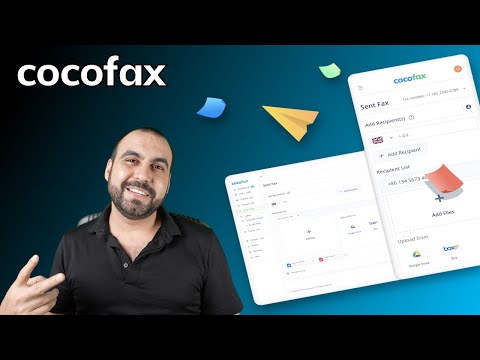
How to Fax from PC: A Practical Guide for U.S. Businesses
What Does “Fax from PC” Mean?
Faxing from a PC means sending a traditional fax document using your computer instead of a standalone fax machine. The process relies on internet‑based fax services or software that converts digital files (PDF, Word, images) into a fax signal and routes it through a cloud‑based server to the recipient’s fax line. This approach eliminates the need for dedicated phone lines, costly hardware, and paper‑based workflows.
For many small and midsize companies in the United States, the ability to fax directly from a desktop or laptop aligns with remote‑work policies and reduces operational overhead. It also provides a clear audit trail: every fax is logged in a digital dashboard, making compliance easier for industries that still rely on fax for legal or medical documentation.
Key Features to Look for in Fax Software
When evaluating options for how to fax from PC, focus on features that match your business needs. Core capabilities typically include:
- Document conversion (PDF, DOCX, JPG to fax format)
- Secure transmission with TLS encryption
- Web‑based dashboard for tracking and archiving
- Mobile app support for iOS and Android
- Integration with email, cloud storage, and CRM platforms
Additional benefits such as bulk‑faxing, automated workflows, and multi‑user management can be decisive for growing teams. While free tools often cover the basics, paid plans usually add stronger security, higher fax‑per‑month limits, and dedicated support channels.
Step‑by‑Step Guide: How to Fax from PC
Below is a practical workflow that works with most reputable fax services. Follow these steps to get your first fax sent in under ten minutes.
1. Choose a Fax Service
Select a provider that offers a free trial or a free tier. If you need only occasional faxes, a free plan may suffice; for regular high‑volume use, consider a paid subscription that matches your expected volume.
2. Create an Account and Verify Your Email
Sign up using a work email address, then confirm the verification link. This step also sets up your personal dashboard where you’ll see sent and received faxes.
3. Upload or Draft Your Document
Most platforms let you drag‑and‑drop files directly into the web interface, or compose a new document using a built‑in editor. Ensure the file is clear and legible; PDFs are preferred for preserving formatting.
4. Enter the Recipient’s Fax Number
Type the full fax number, including the country code (+1 for the United States) and area code. Some services also allow you to import contacts from your address book.
5. Send and Track
Click “Send Fax.” The service will process the file, transmit it via a secure server, and log the transaction. You’ll receive a status notification—either “Delivered,” “Pending,” or “Failed”—within the dashboard.
Security and Compliance Considerations
Faxing still carries regulatory weight in sectors like healthcare (HIPAA) and finance (GLBA). When choosing how to fax from PC, verify that the provider offers:
- End‑to‑end encryption (TLS 1.2 or higher)
- Data retention policies that match your compliance timeline
- Audit logs with timestamps and user actions
- Two‑factor authentication for account access
Even free services can meet basic security standards, but paid plans often provide stronger guarantees, dedicated compliance certifications, and a service‑level agreement (SLA) for reliability.
Pricing Models: Free vs. Paid Options
Understanding the cost structure helps you decide whether a free tier is enough or if a subscription offers better value. Below is a comparison of typical plans you’ll encounter.
| Plan Type | Monthly Cost (USD) | Fax Limit | Key Add‑Ons |
|---|---|---|---|
| Free | $0 | Up to 10 outbound faxes | Basic encryption, web dashboard |
| Standard | $9.99 | 200 outbound faxes | Priority support, mobile apps, API access |
| Professional | $24.99 | Unlimited outbound faxes | Advanced compliance reports, SLA, dedicated account manager |
For a quick overview of the top options, check out the best free fax software. If your organization sends dozens of faxes daily, the Professional tier often saves money by avoiding per‑fax fees.
Common Business Use Cases
Even in a digital‑first world, fax remains essential for certain workflows. Here are scenarios where knowing how to fax from PC adds real value:
- Legal filings: Courts in many U.S. states still require faxed documents for evidence submission.
- Healthcare records: Some older medical offices rely on fax for patient consent forms and insurance claims.
- Financial services: Banks often request signed agreements via fax to meet legacy security protocols.
- Real‑estate transactions: Title companies use fax to exchange rapid, legally binding documents.
In each case, the ability to send faxes directly from a PC speeds up turnaround, reduces paper waste, and provides an electronic record of transmission.
Troubleshooting and Support Tips
If a fax fails to deliver, start with these common checks:
- Confirm the recipient’s fax number includes the correct area code and country prefix.
- Verify that the document is not corrupted and is in a supported format (PDF, DOCX, JPG).
- Check your service dashboard for error codes—most platforms explain whether the issue is network‑related or a recipient line problem.
- Ensure your internet connection is stable; a dropped connection can interrupt transmission.
- Contact the provider’s support team; paid plans typically include live chat or phone assistance.
Most reputable fax services maintain a knowledge base that covers error messages, integration steps, and best practices for large‑scale fax campaigns.
Frequently Asked Questions
Do I need a phone line to fax from my PC?
No. Internet‑based fax services route your documents through virtual numbers, eliminating the need for a physical phone line.
Can I receive faxes as well as send them?
Yes. Many platforms provide a dedicated inbound fax number that forwards received faxes to your email or stores them in the dashboard.
Is it legal to use free fax software for business documents?
Free tools are legal to use, but you must verify that they meet any industry‑specific security or compliance requirements applicable to your business.