

I am a New Zealand player who cares about clear rules and honest play. I’ve often wondered about the small print at online casinos, specifically the rules for recording screenshots or videos of your gaming sessions and wins. It might seem like a minor detail, but it’s a real test of an operator’s transparency. Can you freely document that large jackpot, or does the casino hide restrictive terms in its conditions? I opted to examine read our review millioner casino, a service that actively attracts the NZ market. My goal was to dissect their Terms and Conditions, assess their live chat, and simulate real play to check if their policies are fair or full of hidden traps. This isn’t just about capturing a picture; it’s about how honest a casino is and whether it respects the online rights of its Kiwi players. Here is exactly what I found, from the formal rules to the unspoken realities, so you are aware of what to expect when you sign in.
How Casino Screenshot Policies Matter for Kiwi Players
Why concentrate on something as specific as screenshot rules? For players in New Zealand, it’s more significant than you might believe. Screenshots are often our best form of evidence. If a game malfunctions during a bonus or a win doesn’t record properly, a screenshot or recording is the quickest proof you can obtain. A casino that forbids this takes away your first line of protection in a dispute. Moreover, the policy indicates a lot about the casino’s overall transparency. A platform that’s certain in its game fairness and operations has minimal reason to fear players capturing their screens. On the other hand, overly strict rules can be a warning sign, implying there might be things they don’t want documented. For many Kiwis, sharing a big win on social media is a part of the fun. A reasonable policy permits that, while a restrictive one spoils the buzz. In short, this particular rule serves as a litmus test for how much the operator values its players and prioritizes open, fair gaming—which is the bedrock of any reliable casino.
My System for Evaluating Millioner’s Openness
I sought my results to be thorough and fair, so I used a systematic method. I didn’t just skim the Terms and Conditions; I examined every clause with a careful scrutiny, paying attention to parts about “intellectual property,” “prohibited activities,” “bonus abuse,” and “evidence.” Then, I set up a actual player registration and added my own funds to unlock all the titles and functions. My testing unfolded in 3 distinct steps, each examining a various element of their terms and how it’s enforced.
Phase 1: Document Examination
This was my starting point. I saved the full Terms and Conditions and Bonus Rules from the Millioner Casino website, making sure I used the variant for New Zealand players. Using text search and detailed review, I searched for any indication of recording, saving, or posting gameplay. I recorded the precise language, the context, and any listed sanctions. This step offered me the casino’s formal, recorded view—the mandatory terms every player accepts.
Step 2: Live Interaction Trials
With the written regulations in mind, I assessed how they function in practice. I reached out to Millioner Casino’s customer support through live chat and email, posing as a typical player with practical questions. I asked things like, “Am I permitted to take a capture of my jackpot win to send with acquaintances?” and “If I encounter a game issue, can I send you a screen recording to help examine?” I documented their replies, how much time they took to reply, and whether different staff offered the similar details.
Phase 3: Actual Scenario
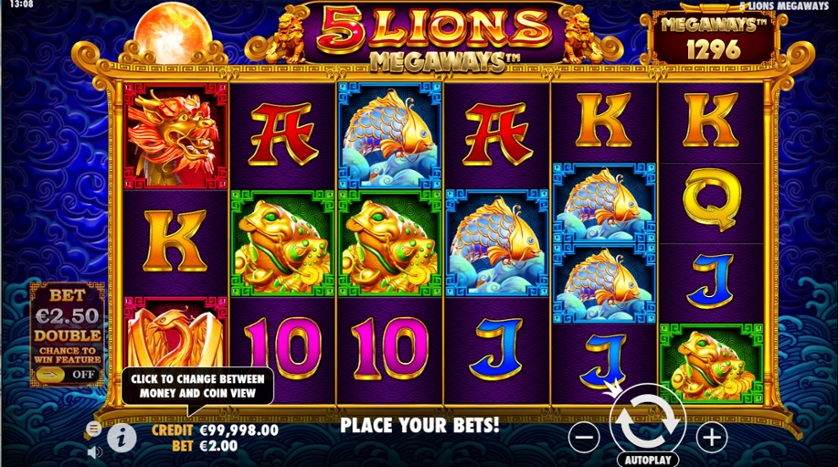
Finally, I applied the policy into action. During actual gameplay, I made captures of different instances: a big slot win, a bonus round starting, my game record, and the cashier page. I didn’t share these publicly during the test to prevent any inadvertent violation. The purpose was to find out if the casino’s software flagged this activity, and to grasp the realistic situation of being a player who documents their session.
Tricky Areas and Gray Zones to Watch For
Even with the predominantly positive results, my inquiry revealed a few ambiguous spots and potential risks that New Zealand players should understand. The main risk stems from the discrepancy between the flexible live chat advice and the broader, more powerful wording in the Terms. In a serious dispute—notably one involving bonus money or a very large win—the casino’s management might fall back on the legal document, which affords them a lot of leeway. The term “software manipulation” is notably vague. While taking a screenshot is not manipulation, a poorly-trained agent or an automated system might mistake the use of certain third-party capture tools for something else. Also, the rule against using casino content for “commercial purposes” is extensive. If a player with a big social media following posts a win and is part of an affiliate program, might the casino argue this is commercial? It’s not plausible, but it’s feasible in theory. To avoid these grey areas, I advise being preemptive. If you ever need to send a screenshot for a serious claim, you could even start a chat first to mention what you’re doing, creating a timestamped record of their permission. This assists guard against any changes in interpretation later on.
The Bonus Abuse Ambiguity
Bonus play is a notable area for vigilance. Many casinos are extremely tight with bonus terms, and screenshots can sometimes be affected by this. If you’re playing with a bonus, ensure your captures can’t be misinterpreted as an attempt to record or abuse a possible game flaw. Always adhere to the specific bonus rules exactly.
Sharing on Public Forums
While personal social media is acceptable, posting screenshots on large public gambling forums or review sites might be viewed differently. It’s smart to blur out your account number or any personal details, not just for confidentiality, but to prevent any claim you’re broadcasting proprietary casino interface designs to the masses.
Putting the Policy into Practice: My Gameplay Tests
With a green light from support, I advanced to my hands-on gameplay tests. Over a few hours, I played various slots and live dealer games, intentionally capturing moments as I went. I captured screenshots of a decent win on a popular slot, the second a free spins feature started, and my session history in the cashier. I never get a pop-up warning, an in-game message, or an account alert about this activity. The gameplay stayed smooth. I also attempted using screen recording software (OBS Studio) during a live blackjack session to replicate gathering evidence for a possible dispute. Again, the casino’s software didn’t interfere. This practical test confirmed that Millioner Casino avoids intrusive detection for screen capturing, which corresponds to their supportive chat responses. It provided me with the practical reassurance that as a Kiwi player, you can capture your experience without concern about instant automated penalties, if you are acting in good faith and for the personal reasons their support team outlined.
What Millioner Casino’s Terms & Conditions Really Say
Examining Millioner Casino’s Terms and Conditions was a revelation. The document is long and thorough, as you’d anticipate. I was searching for specific language about screenshots. I didn’t find an absolute, blanket ban on making them for private use. The closest relevant sections discuss “intellectual property” and “prohibited use.” The Terms indicate all game software, content, and imagery are owned by the casino or its providers. Significantly, they prohibit using this property for profit-making purposes, public distribution, or modification. That’s standard legal protection for their assets. More revealing were the parts on “bonus abuse” and “fair play.” They enumerate activities considered fraudulent, which include interfering with software or using third-party tools to get an undue edge. While screenshots aren’t explicitly mentioned, the unclear language about “software manipulation” could, in theory, be distorted by an unhelpful agent to challenge a player’s evidence. The omission of a clear “no screenshots” rule is a good start, but relying on broad, restrictive categories creates a gray area that requires clarification from support.
Evaluating Transparency: How Millioner Compares in NZ
So where does Millioner Casino’s approach fit in the wider New Zealand online casino landscape? From my experience with many other platforms targeting Kiwis, Millioner sits in the reasonably transparent center. They’re much more flexible than the strictest platforms, which ban all captures in their Terms, often using “prevention of bonus abuse” as a blanket excuse. At the other extreme, some highly player-focused casinos have terms that explicitly safeguard your ability to use screenshots as evidence. Millioner’s position—allowing it in action via support, even if their Terms are cautiously written—is fairly typical. What gives them an advantage is the clarity and uniformity of their customer service. Plenty of casinos give ambiguous or inconsistent answers on this topic. The point that two different Millioner agents gave the same clear, permissive reply works in their favour. For the NZ market, they are open enough, though they could get better by formally including this permission to their Terms and Terms. That would eliminate any lingering uncertainty for players who pay close attention to the legal small print.
Going Straight to the Source: My Conversation with Customer Support
Dealing with ambiguous legal text, I went straight to the source: customer support. I started two separate live chat sessions on different days to check for consistency. My first question was straightforward: “Hi, am I able to take screenshots of my game wins for my own records or to share with friends?” The agent replied quickly and was comforting. They said, “Yes, you are encouraged to take screenshots of your gameplay and winnings for personal use and sharing on personal social media. We only ask that you do not use them for any commercial purpose or to manipulate the games.” This specifically covered the commercial clause from the Terms. In my second test, I raised a trickier situation: “If I experience a game freezing during a win, can I send you a screen recording as proof?” The support agent again said yes, noting it’s useful evidence for their technical team to look into. The key points from these chats were:
- Personal use and non-commercial sharing are explicitly allowed.
- Support sees screenshots and recordings as valid evidence for disputes.
- Answers were uniform between different agents, indicating a clear internal policy.
Advice for NZ Users on Recording Gameplay
Relying on my trials at Millioner Casino and general industry insights, here’s some helpful advice for Kiwi players who wish to document their gameplay safely and well. Firstly, try to use the native screenshot tools of your system (like Snipping Tool on Windows, Shift+Cmd+4 on Mac, or screen actions on your phone). These are not as likely to be detected than some other software. Next, consider about what you record. The most valuable evidence displays the game window with the game ID or round number displayed, your balance prior to and post the occurrence, and a time stamp. For live dealer sessions, capture the dealer name and table ID in the shot. To create a reliable personal tracking system, follow a straightforward routine each time you have a important session:
- Snap a screenshot of your balance ahead of you begin playing.
- Capture any major payouts or bonus events, ensuring the game information is visible.
- Note your ending balance and game log when you stop.
- Store these in a dated folder on your cloud storage. This forms a clear, undeniable log of your activity. It’s useful for your own money management and for any support requests you might face.
Conclusive Decision on Millioner’s Screenshot Policy Transparency
After this detailed, multi-part analysis, I am able to give a straightforward verdict on Millioner Casino’s screenshot policy transparency for New Zealand players. The finding is largely encouraging in practice, with a slight warning about the paperwork. In everyday sense, Millioner Casino is clear and adaptable. Their customer support department understands the policy and regularly allows screenshots for individual records, verification, and community posting. My genuine gameplay trials encountered no restrictions or alerts, proving this is a player-friendly platform. The casino doesn’t monitor or penalize players for this regular activity. That said, the official Terms and Conditions miss an unambiguous, player-friendly clause that guarantees this right. They use typical protective phrasing that could, in a extreme, be read more narrowly. This opens a small mismatch between their everyday operation and their formal terms. For the majority of players, this difference shouldn’t ever matter. So, I consider Millioner Casino as a open provider for New Zealanders on this specific point. They communicate openly through support, don’t impose unfair boundaries, and allow players capture their time. That’s a sign of a fair and assured online casino.